“I Don’t Know What to Say to My GP.”
You’re Not Alone.
Every week, I see patients in my clinic who have waited far longer than they needed to. Not because they weren’t ready. Not because they hadn’t thought it through. But because they didn’t know how to start the conversation with their GP — or felt too embarrassed to try.
I want to change that.
This comes up more than you’d think:
Recently, someone reached out with a question I hear regularly. They were active, going to the gym every day, had lost significant weight — but were left with loose, overhanging skin that caused a persistent rash, discomfort from muscle separation, and real practical difficulty with daily life. They wanted to see a specialist. They just didn’t know how to ask their GP for a referral, or whether they even had the right to.
They absolutely did. And so do you.
First: your GP is not there to judge you
One of the most common things patients tell me is that they felt embarrassed raising this with their GP — worried they’d be seen as vain, or told to just keep going to the gym. I understand why that fear exists. But a good GP will recognise the clinical dimension of what you’re describing immediately.
Loose skin following significant weight loss or pregnancy is not simply a cosmetic concern. It can cause:
- Persistent skin rashes and intertrigo (skin inflammation where skin folds overlap)
- Hygiene difficulties that don’t resolve with conventional treatment
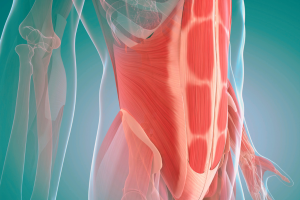
- Musculoskeletal issues, including back pain, related to weakened abdominal wall muscles
- Functional limitations that affect exercise, movement, and daily activity
These are legitimate medical symptoms. You’re not asking for a favour; you’re describing a clinical problem that warrants specialist assessment.
What to actually say to your GP:
You don’t need to arrive with a procedure name or a self-diagnosis. You need to describe what’s happening to your body, clearly and specifically. Here’s a practical guide:
Describe your symptoms, not your appearance:
- I have an overhanging skin fold that causes a constant rash I can’t resolve.
- I’ve been told I have muscle separation following pregnancy and it’s affecting my core function.
- I’ve lost a significant amount of weight, but the excess skin is preventing me from exercising properly.
Give your GP the clinical context:
- How long you’ve had these symptoms
- What treatments you’ve already tried (creams, antifungals, physiotherapy)
- How it affects your daily life and physical activity
Ask directly:
- “I’d like a referral to a specialist plastic surgeon to discuss whether surgical options are appropriate for me.”
That’s it. You don’t need to justify wanting to feel comfortable in your body. You need to explain that your body is causing you clinical problems — because it is.
What happens after the referral?
A GP referral allows you to see a specialist plastic surgeon for a consultation. Depending on your circumstances and the procedures involved, there may be Medicare rebate pathways available — particularly where there is a demonstrable clinical basis, such as a chronic skin condition, documented muscle separation (diastasis recti), or functional impairment following significant weight loss.
“The referral conversation shouldn’t feel like a hurdle. When a patient arrives with a clear description of their symptoms and how those symptoms are affecting their life, a GP has everything they need to refer them appropriately.” — Dr Matthew Peters
Procedures that may be relevant — depending on your individual anatomy and circumstances — include abdominoplasty, belt lipectomy, and in some cases a back bra lift. Each has different clinical indications, and which is appropriate for you is something we assess together in consultation.
A note on weight and timing:
If you are still working toward a stable goal weight, it is generally worth reaching that point before pursuing body contouring surgery. Not because your symptoms aren’t real now — they clearly are — but because surgical outcomes are significantly better when your weight has been stable for a sustained period. Your surgeon and GP can help you think through the right timing for your situation.
The bottom line:
If excess skin, muscle separation, or related symptoms are affecting your quality of life, your ability to exercise, or causing ongoing clinical problems — you have every reason to discuss this with your GP and ask for a referral to a specialist plastic surgeon.
You’re not being vain. You’re being practical.
“Some of my patients have lived with these symptoms for years before asking for help. The sooner that conversation happens — with a GP, and then with a specialist — the sooner we can give them real information about their options.” — Dr Matthew Peters
Ready to take the next step?
Dr Matthew Peters is a Fellow of the Royal Australasian College of Surgeons (FRACS) with specialist registration in plastic and reconstructive surgery. If you’ve already seen your GP and have a referral in hand — or would like to discuss next steps — contact us to arrange a consultation.
The information in this blog is general in nature and does not constitute medical advice. Individual results vary according to several factors, including genetics, age, diet & exercise. All surgical procedures carry risks & require an appropriate recovery period & aftercare regime which may include wearing compression garments or modifying your lifestyle post-operatively and are subject to individual clinical assessment. Medicare rebate eligibility varies by procedure and individual circumstance — please discuss this with your GP or contact our rooms for further information. More information about these risks and aftercare can be easily found on our website here