You’ve been doing all the right things. You’re exercising, eating well, and yet your core feels unstable, your lower back aches, and no amount of effort seems to flatten your abdomen. For many women post-pregnancy, the problem isn’t effort — it’s anatomy.
Diastasis recti — the separation of the abdominal muscles along the midline — is one of the most underdiagnosed and underexplained conditions in post-pregnancy women. And understanding it properly can change how you approach your options.
What exactly is diastasis recti?
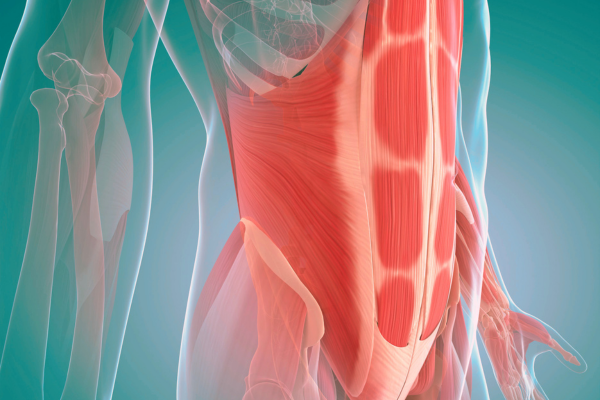
During pregnancy, the growing uterus places sustained pressure on the rectus abdominis muscles — the paired vertical muscles running down the centre of the abdomen. In many women, these muscles separate along the midline. After delivery, they don’t always come back together.
The result is a gap that can range from mild to significant. Symptoms vary but commonly include:
- A visible ridge or “doming” down the centre of the abdomen when sitting up
- A persistent feeling of core weakness or instability
- Lower back pain that doesn’t respond to physiotherapy alone
- Difficulty with functional movements that engage the core
- An abdominal profile that doesn’t respond to exercise — because the structural problem is muscular, not simply a matter of fitness
“Diastasis recti is genuinely one of the most common things I see in my post-pregnancy patients, and one of the most misunderstood. Women are often told to just do more core work — but some degrees of separation simply won’t close without surgical repair.”
— Dr Matthew Peters, Specialist Plastic Surgeon
Is muscle repair automatically part of an abdominoplasty?
This is where it gets nuanced — and where many patients come away with a misunderstanding.
Repair of diastasis recti can be performed as part of an abdominoplasty, but it is not automatically included, and it is not automatically covered by Medicare. Whether repair is clinically indicated — and whether it meets the criteria for a Medicare rebate — depends on your individual circumstances and requires proper clinical assessment.
What are the Medicare eligibility criteria?
Since 1 July 2022, a Medicare Benefits Schedule item — MBS Item 30175 — exists specifically for radical abdominoplasty with repair of rectus diastasis following pregnancy. However, eligibility is not automatic. To qualify, all of the following criteria must be met:
- The diastasis must measure at least 3cm in width, confirmed by diagnostic imaging — ultrasound, CT, or MRI — before surgery. Clinical assessment alone is not sufficient.
- The patient must be a postpartum woman who has not been pregnant in the last 12 months.
- Symptoms of moderate discomfort or pain must be present, and conservative treatments such as physiotherapy must have been trialled and have not resolved the problem.
- The procedure must be performed by a registered specialist surgeon.
It’s also worth noting that even when a Medicare rebate applies, eligibility cannot be determined through self-assessment — it requires clinical evaluation by an appropriately qualified medical practitioner.
Why does unrepaired diastasis recti matter beyond appearance?
This is the part many women don’t hear clearly enough. An unrepaired diastasis recti doesn’t just affect how the abdomen looks — it affects how it functions.
The deep abdominal muscles are central to core stability, posture, and load transfer through the trunk. When they remain separated, other muscles — including the lower back — compensate. This is why many women with significant diastasis experience persistent lower back pain and a frustrating plateau in their exercise capacity, no matter how consistently they train.
Surgical repair restores the structural integrity of the abdominal wall. The functional improvement for appropriately selected patients can be meaningful — though, as with any surgical procedure, outcomes vary and realistic expectations are essential.
What should I do if I think I have diastasis recti?
Start with your GP. Ask specifically for:
- A referral for diagnostic imaging — an ultrasound is usually the first step — to measure the degree of separation
- A referral to a specialist plastic surgeon to discuss whether surgical repair is appropriate for your circumstances
- Documentation of any symptoms you’ve experienced and any conservative treatments you’ve already tried — this is important for Medicare eligibility purposes
Come to that conversation with your GP prepared. The more clearly you can describe your symptoms — back pain, core weakness, functional limitations — the better positioned your GP is to refer you appropriately.
Ready to find out more?
Dr Matthew Peters is a Fellow of the Royal Australasian College of Surgeons (FRACS) with specialist registration in plastic and reconstructive surgery. If you have a GP referral and would like to discuss diastasis recti repair or abdominoplasty, contact us to arrange a consultation.
The information in this blog is general in nature and does not constitute medical advice. Medicare rebate eligibility under MBS Item 30175 is subject to individual clinical assessment and documentation requirements. Individual results will vary according to several factors, including genetics, age, diet & exercise. All surgeries carry risk & require an appropriate recovery period & aftercare regime which may include wearing compression garments or modifying your lifestyle post-operatively. You should seek a second opinion from a Specialist Surgeon before proceeding. More information about these risks and aftercare can be easily found on our website here